
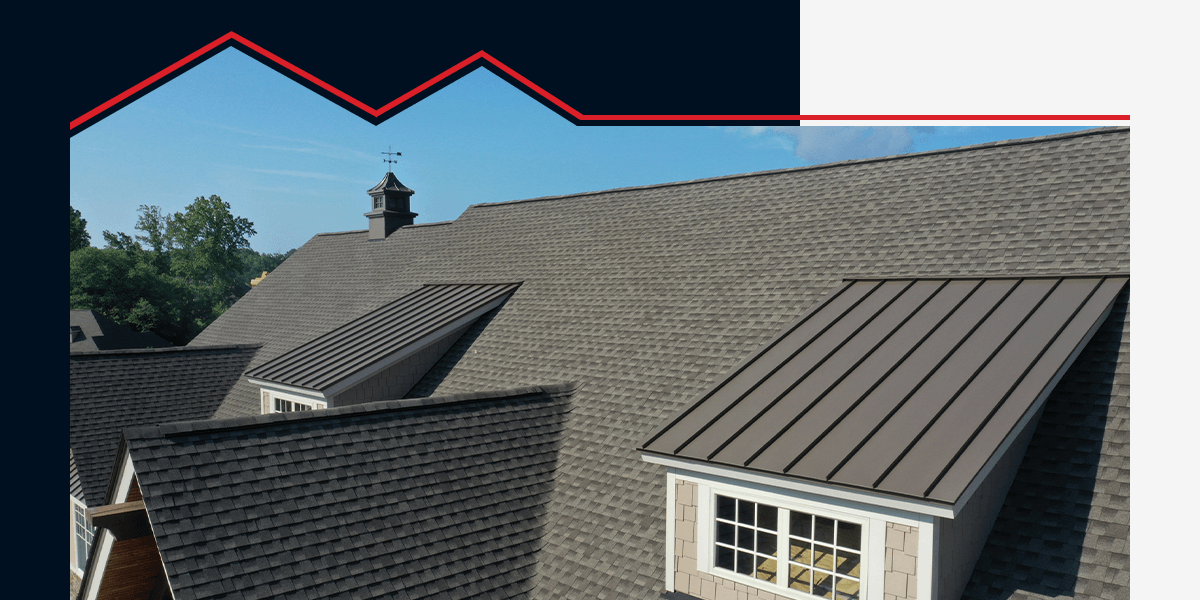
A roof is one of the most critical components of any home, providing protection from weather, insulation, and structural integrity. Homeowners often ask how long do shingles last on a roof and what factors influence their longevity. Understanding the lifespan of shingles and the ways to maximize roof performance is essential for maintaining a safe, durable, and cost-effective home.
Understanding Shingle Lifespan
The longevity of a roof largely depends on the type of shingles installed. Asphalt shingles, one of the most common materials, typically last between 20 and 30 years. Architectural asphalt shingles, which are thicker and more durable, may extend the lifespan to 30 or even 40 years. Other materials, such as wood, metal, or slate, offer varying durability: wood shingles usually last 25–30 years, metal can exceed 50 years, and slate shingles can last over a century if properly maintained.
Environmental conditions also play a significant role in determining how long shingles last on a roof. Areas with extreme heat, heavy rainfall, strong winds, or frequent snow can cause shingles to deteriorate faster. Additionally, factors such as UV exposure, humidity, and temperature fluctuations affect the flexibility and strength of shingles over time, leading to cracking, curling, or fading.
The quality of the installation is another critical factor. Even the highest-quality shingles will underperform if not installed correctly. Proper alignment, secure fastening, and adequate underlayment are essential to ensure shingles adhere properly and resist environmental stresses. Therefore, when considering how long do shingles last on a roof, installation practices must be taken into account alongside material choice and environmental conditions.
Factors That Affect Shingle Longevity
Several key factors influence the lifespan of shingles and overall roof performance. Routine maintenance is perhaps the most controllable variable. Regular inspections help identify minor issues such as loose or damaged shingles, clogged gutters, or roof leaks before they escalate into major problems. Timely repairs can extend the life of shingles and protect the underlying structure of the home.
Ventilation and insulation are also critical. Proper airflow in the attic prevents excessive heat buildup, which can warp or crack shingles. Similarly, adequate insulation ensures that temperature variations are minimized, reducing stress on roofing materials. A well-ventilated and insulated roof contributes significantly to maximizing performance and answering the question of how long do shingles last on a roof.
The roof’s pitch and slope influence water drainage, which affects shingle durability. Steeper roofs generally shed water and debris more efficiently, reducing the risk of moisture infiltration and damage. Flat or low-slope roofs may require additional protective measures to prevent pooling water, which can shorten the lifespan of shingles and compromise structural integrity.
Exposure to trees, debris, and wildlife can also affect shingles. Falling branches, accumulated leaves, and animal activity can cause physical damage or retain moisture, leading to premature wear. Maintaining a clear area around the roof and trimming overhanging branches helps preserve shingles and supports long-term roof performance.
Maintenance Practices to Maximize Shingle Life
Maximizing roof performance and extending the life of shingles requires proactive maintenance and attention to detail. Homeowners should conduct seasonal inspections to identify visible signs of wear, including curling, cracking, or missing shingles. Early detection allows for timely repairs and reduces the risk of extensive damage.
Cleaning gutters regularly prevents water from backing up and seeping under shingles, which can lead to leaks and rot. Gutters clogged with leaves or debris can accelerate the deterioration of roofing materials, so keeping them clear is an essential part of maintaining roof longevity. Proper drainage ensures that shingles remain dry and secure, contributing to overall roof health.
Applying protective coatings or treatments can also enhance shingle durability. Certain products can reflect UV rays, prevent algae growth, or reinforce the waterproofing of asphalt shingles. While these treatments may not significantly extend the lifespan of lower-quality materials, they can help maintain appearance, performance, and protection against environmental stressors.
Prompt repairs are critical when issues are detected. Replacing damaged shingles, sealing leaks, and addressing underlying problems prevents minor issues from escalating into structural damage. Timely interventions not only prolong the life of shingles but also maintain energy efficiency and home value.
Signs It’s Time for Shingle Replacement
Even with proper care, shingles will eventually reach the end of their lifespan. Homeowners should watch for specific signs that indicate it is time to replace a roof. Granule loss, visible cracks, curling, or sagging are common indicators that shingles are deteriorating. Water stains or leaks inside the home also signal that protective layers may have failed, compromising both shingles and underlying structures.
Understanding how long do shingles last on a roof allows homeowners to plan for replacement and budget accordingly. Replacing shingles before they fail completely prevents emergency repairs, water damage, and potential structural problems. A well-timed roof replacement ensures continued protection, energy efficiency, and curb appeal for years to come.
Routine professional inspections complement homeowner maintenance by providing expert assessments of shingle condition. Roofers can identify hidden issues, recommend repairs or replacement, and ensure that installation standards are maintained. Combining professional insight with proactive care maximizes roof performance and ensures shingles reach or exceed their expected lifespan.
By considering material quality, environmental conditions, installation practices, and ongoing maintenance, homeowners can make informed decisions about their roofing systems. Understanding how long do shingles last on a roof and taking steps to maintain them contributes to a safe, durable, and visually appealing home.
Maximizing roof performance requires a holistic approach that includes proper material selection, careful installation, and proactive maintenance. By addressing these factors, homeowners can extend the life of their shingles, protect their property, and maintain peace of mind. A well-maintained roof not only provides essential protection but also enhances the overall value, energy efficiency, and comfort of a home.
