
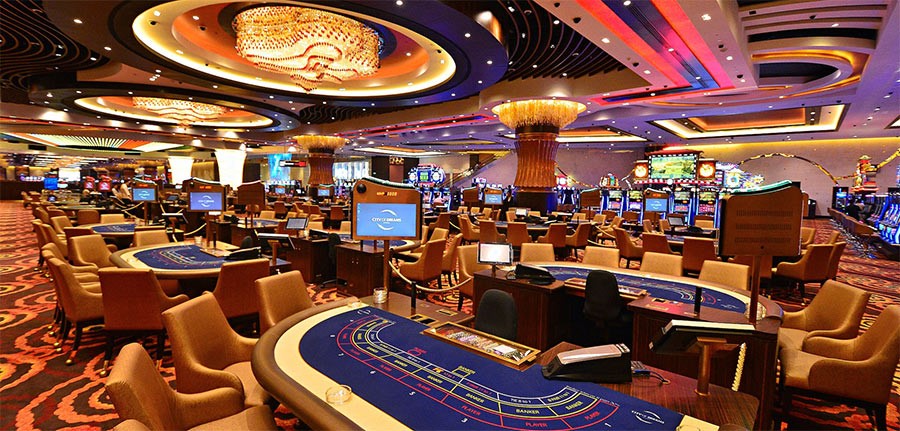
The casino industry has evolved far beyond traditional gambling halls. Today, casinos are complex entertainment ecosystems that combine gaming, hospitality, technology, and customer experience. From physical casino floors to digital platforms, the industry continues to adapt to changing regulations, player expectations, and technological innovation.
This article explores how casinos operate, what drives their popularity, and how the industry is shaping its future.
What Defines a Casino?
A casino is a regulated establishment that offers games of chance where players wager money for potential rewards. While gambling remains the core attraction, modern casinos often integrate additional services to enhance engagement and profitability.
Common features include:
- Slot machines and electronic games
- Table games such as card and wheel-based games
- Hospitality services like hotels and restaurants
- Live entertainment and events
Casinos are designed to deliver immersive experiences, encouraging longer visits and repeat customers.
Types of Casinos in Today’s Market
The casino landscape is diverse, catering to different audiences and preferences.
Land-Based Casinos
These are physical venues that operate under strict local regulations. They are often located in tourism hubs and entertainment districts.
Key characteristics:
- Physical gaming floors
- On-site amenities such as hotels and dining
- Social and interactive atmosphere
Online Casinos
Digital casinos allow players to access games remotely through computers or mobile devices.
Advantages include:
- Convenience and accessibility
- A wide range of games
- Lower operational costs compared to physical venues
Online platforms have expanded the industry’s reach to a global audience.
How Casinos Generate Revenue
Casinos rely on mathematical probability rather than chance alone. Each game is designed with a house edge, ensuring long-term profitability.
Primary revenue sources include:
- Game margins built into rules and payouts
- High-volume play across multiple games
- Non-gaming services such as accommodation and entertainment
Successful casinos balance fair play with sustainable profit models.
The Role of Technology in Casinos
Technology has transformed how casinos operate and how players interact with games.
Modern casinos use technology to:
- Enhance game graphics and realism
- Track player behavior through loyalty systems
- Improve security and fraud prevention
- Offer personalized promotions and rewards
Digital innovation has made casinos more data-driven and customer-focused than ever before.
Responsible Gambling Practices
As the industry grows, responsible gambling has become a critical priority. Casinos are increasingly adopting measures to protect players and promote ethical operations.
Common responsible gaming initiatives include:
- Spending and time limits
- Self-exclusion programs
- Clear disclosure of odds and risks
- Staff training to identify problem behavior
These practices help ensure that entertainment does not turn into harm.
Casino Culture and Player Psychology
Casinos are carefully designed environments. Lighting, sound, layout, and game placement all influence player behavior.
Psychological elements often include:
- Reward-based feedback systems
- Visually stimulating game designs
- Comfortable and engaging spaces
Understanding player psychology allows casinos to improve experience while maintaining engagement.
The Future of the Casino Industry
The future of casinos lies in innovation, regulation, and personalization. As player expectations shift, the industry continues to evolve.
Emerging trends include:
- Mobile-first gaming experiences
- Integration of virtual and live gaming formats
- Enhanced transparency and compliance
- Greater emphasis on player well-being
Casinos that adapt to these trends are more likely to achieve long-term sustainability.
Frequently Asked Questions (FAQ)
1. Are casinos purely based on luck?
While luck plays a role in individual outcomes, casinos rely on probability and mathematical advantage to ensure consistent long-term revenue.
2. How are casinos regulated?
Casinos operate under strict legal frameworks that govern licensing, game fairness, and player protection.
3. Can casinos operate profitably without gambling alone?
Yes. Many casinos generate significant income from hotels, dining, entertainment, and events alongside gaming.
4. Is online casino gaming safe?
Safety depends on licensing, security measures, and regulatory compliance of the platform being used.
5. Why do casinos offer free rewards and bonuses?
Bonuses and rewards encourage loyalty, longer playtime, and repeat visits while still maintaining the house edge.
6. What skills are useful for working in a casino?
Customer service, mathematical understanding, security awareness, and communication skills are highly valued.
7. How is the casino industry adapting to digital trends?
Casinos are embracing mobile platforms, data analytics, and immersive technologies to meet modern player expectations.
The casino industry continues to balance entertainment, technology, and responsibility. As regulations tighten and innovation accelerates, casinos that focus on experience, ethics, and adaptability are best positioned to thrive in an increasingly competitive market.
