
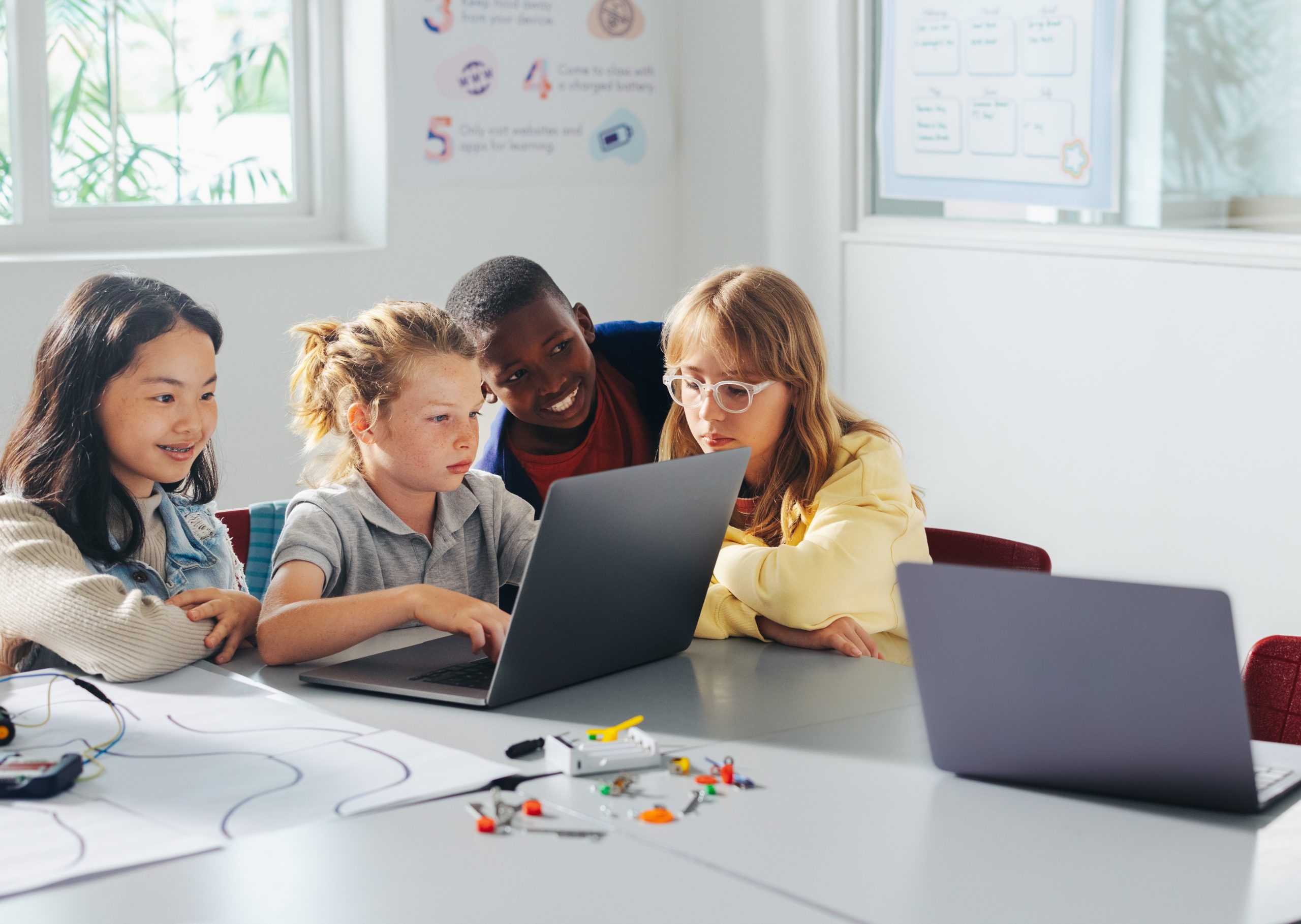
Education is the foundation of personal growth, economic progress, and social development. As societies change, so do learning systems. Today’s education is no longer limited to classrooms and textbooks; it is a dynamic process shaped by technology, global connectivity, and evolving career demands.
This article explores how education is transforming, why it remains essential, and what defines effective learning in the modern world.
Why Education Matters More Than Ever
Education equips individuals with the knowledge and skills needed to navigate complex environments. Beyond academics, it fosters critical thinking, creativity, and adaptability.
Key benefits of education include:
- Improved employment opportunities
- Enhanced problem-solving and decision-making skills
- Greater social awareness and civic responsibility
- Personal confidence and lifelong learning habits
An educated population contributes directly to economic stability and innovation.
Traditional Education vs. Modern Learning Models
The education system has shifted significantly from rigid structures to more flexible and inclusive approaches.
Traditional Education Systems
These systems focus on structured curricula, standardized testing, and teacher-led instruction.
Common characteristics:
- Fixed schedules and physical classrooms
- Emphasis on memorization and exams
- Uniform learning pace for all students
While effective in many contexts, traditional models may not suit every learner.
Modern and Alternative Learning Approaches
Modern education emphasizes adaptability, personalization, and practical application.
Notable features include:
- Digital and online learning platforms
- Project-based and experiential learning
- Self-paced and competency-based education
- Integration of real-world problem solving
These approaches allow learners to engage more actively with content.
The Role of Technology in Education
Technology has reshaped how knowledge is delivered and accessed. Digital tools have expanded educational opportunities beyond geographical boundaries.
Technology in education enables:
- Remote and hybrid learning environments
- Interactive multimedia content
- Access to global information resources
- Personalized learning paths through data insights
When used effectively, technology enhances both teaching quality and learner engagement.
Teachers as Facilitators of Learning
The role of educators has evolved from information providers to learning facilitators and mentors. Teachers now guide students in developing analytical and independent thinking skills.
Effective educators focus on:
- Encouraging curiosity and discussion
- Supporting diverse learning styles
- Providing constructive feedback
- Promoting collaboration and communication
Strong teacher-student relationships significantly improve learning outcomes.
Lifelong Learning and Skill Development
Education does not end with formal schooling. In a rapidly changing job market, continuous learning has become essential.
Lifelong learning helps individuals:
- Stay relevant in evolving industries
- Adapt to technological advancements
- Explore new interests and career paths
- Maintain cognitive and personal growth
Upskilling and reskilling are now integral parts of professional success.
Challenges Facing Education Systems
Despite progress, education systems worldwide face several challenges.
Common issues include:
- Inequality in access to quality education
- Limited resources and infrastructure
- Outdated curricula disconnected from job markets
- Balancing technology use with human interaction
Addressing these challenges requires collaboration between policymakers, educators, and communities.
The Future of Education
The future of education lies in flexibility, inclusivity, and learner-centered design. Systems are increasingly focused on preparing students for uncertainty rather than specific job roles.
Emerging trends include:
- Personalized and adaptive learning systems
- Emphasis on soft skills and emotional intelligence
- Blended learning models combining online and in-person education
- Greater focus on well-being and mental health
Education systems that evolve with societal needs will remain effective and relevant.
Frequently Asked Questions (FAQ)
1. What is the primary goal of education today?
The primary goal is to develop critical thinking, adaptability, and practical skills alongside academic knowledge.
2. How does education impact economic growth?
Education increases workforce productivity, fosters innovation, and supports long-term economic development.
3. Is online education as effective as classroom learning?
Effectiveness depends on course design, learner motivation, and access to quality resources.
4. Why is personalized learning important?
Personalized learning addresses individual strengths, weaknesses, and learning speeds, improving engagement and outcomes.
5. How can education systems reduce inequality?
By improving access to resources, training teachers, and leveraging technology to reach underserved communities.
6. What skills should modern education prioritize?
Critical thinking, communication, digital literacy, collaboration, and adaptability are increasingly important.
7. How can individuals commit to lifelong learning?
By setting learning goals, using online resources, seeking mentorship, and staying curious throughout life.
Education remains a powerful tool for transformation. As learning models continue to evolve, the focus must remain on empowering individuals with the knowledge, skills, and values needed to thrive in an ever-changing world.
