
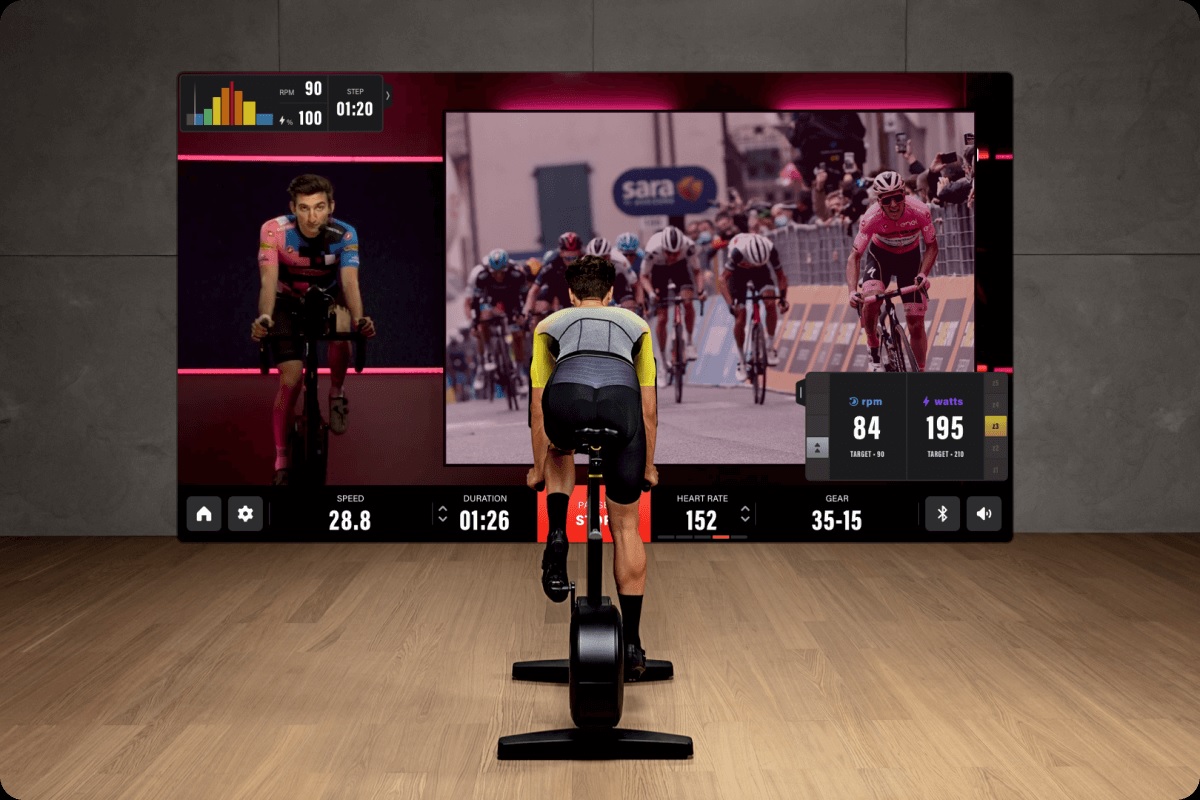
Indoor cycling has always been about rhythm, energy, and performance. What makes spinning classes different today compared to a decade ago is the integration of technology. From virtual platforms to wearables, RPM has evolved into a data-driven, immersive experience that extends beyond the studio. In Singapore, where tech adoption is rapid and fitness culture is thriving, these innovations are reshaping how people train, measure progress, and stay motivated.
True Fitness Singapore continues to blend structured RPM training with new tools, ensuring that participants not only enjoy the music and energy of group classes but also benefit from precise tracking, performance feedback, and future-ready experiences.
Virtual and On-Demand Classes
One of the most significant changes in fitness is the rise of virtual training. Busy lifestyles in Singapore mean that not everyone can attend in-person classes regularly. Virtual RPM sessions bridge this gap.
-
Live-streamed classes: Offer real-time coaching and group energy even when participants are at home.
-
On-demand sessions: Provide flexibility to train at any hour, fitting into unpredictable schedules.
-
Global reach: Riders can join sessions led by international instructors, creating a broader sense of community.
This trend ensures that RPM remains accessible regardless of location or time constraints.
Wearables and Performance Metrics
Modern fitness is increasingly data-driven. Wearables such as smartwatches and chest straps give RPM participants detailed feedback on their performance.
-
Heart rate tracking: Helps maintain effort within specific zones for fat burning, endurance, or peak intensity.
-
Power output (watts): Measures the actual work done, providing objective data beyond perceived exertion.
-
Cadence monitoring: Tracks revolutions per minute, aligning effort with class tempo.
-
Calorie estimation: Offers insight into energy expenditure, though it should be paired with nutrition tracking for accuracy.
These metrics transform each class from a generic workout into a personalised training session.
Gamification and Motivation
Technology also brings gamification into the studio. Leaderboards, virtual races, and interactive challenges push participants to go further.
-
Friendly competition: Displays show progress, motivating riders to match or surpass peers.
-
Personal milestones: Apps celebrate achievements such as first 100km cycled or consistent attendance streaks.
-
Goal setting: Data-driven progress tracking keeps long-term motivation high.
For those who thrive on visible progress, gamification makes RPM engaging and addictive in a positive way.
Immersive Studio Experiences
Studios are increasingly adopting immersive technology to enhance the spinning experience.
-
Projection visuals: Simulate outdoor rides through mountains, city streets, or coastal roads.
-
Synchronised lighting: Shifts with the music tempo, creating a nightclub-like energy.
-
High-quality sound systems: Deliver music that drives intensity and atmosphere.
These innovations transform classes into experiences that feel more like entertainment events than traditional workouts.
Integration with Broader Health Platforms
Another development is the integration of RPM data into broader health ecosystems. Many apps and devices sync seamlessly with health trackers, giving participants a full picture of wellness.
-
Sleep analysis: Correlates recovery quality with class performance.
-
Nutrition apps: Align calorie intake with energy expenditure from RPM.
-
Long-term tracking: Shows trends in fitness progression over weeks or months.
This integration helps people make informed decisions not only about exercise but also about lifestyle.
The Role of Artificial Intelligence in RPM
AI-driven platforms are beginning to personalise workouts more effectively. Based on performance data, these systems can:
-
Suggest intensity adjustments.
-
Recommend optimal recovery times.
-
Predict plateaus and adapt programmes to avoid stagnation.
For participants in Singapore, where efficiency is paramount, AI ensures that every minute spent on the bike is maximised.
Why Technology Matters for Motivation
While traditional RPM classes rely on music and group energy, technology adds layers of accountability and excitement. Seeing numbers on a screen or milestones achieved provides tangible proof of effort. This evidence-based feedback motivates individuals to continue attending and progressing.
Moreover, the mix of social connection, entertainment, and data appeals to Singapore’s tech-savvy population, making RPM not only a workout but also an engaging lifestyle experience.
Balancing Innovation with Fundamentals
Despite all the advancements, it is important to remember that RPM remains rooted in fundamentals: cadence, resistance, and effort. Technology enhances, but does not replace, the human connection provided by instructors and the group environment. A balanced approach ensures that innovation supports rather than overshadows the essence of the workout.
FAQ Section
Q. Do I need expensive wearables to benefit from RPM?
A. No. While wearables add value, RPM is designed to deliver results with or without technology. Instructors guide participants through intensity levels using cues and music, which are effective even without data tracking.
Q. Are virtual RPM classes as effective as in-person ones?
A. Yes, if performed with commitment. The main difference lies in atmosphere—virtual classes provide flexibility, while in-person classes offer community energy. Many combine both for consistency.
Q. Will gamification make classes too competitive for beginners?
A. Not necessarily. Most platforms allow riders to track progress privately, while leaderboards remain optional. Beginners can choose to focus on self-improvement rather than competition.
Q. How do immersive studios enhance performance?
A. Visuals, lighting, and sound create emotional stimulation that helps riders push harder. The immersive environment keeps attention focused, reducing mental fatigue during tough intervals.
Q. Is AI-based personalisation reliable for fitness training?
A. AI provides helpful insights based on patterns in performance data. However, it should be used alongside instructor guidance and personal awareness, not as a replacement for professional input.
